Education System
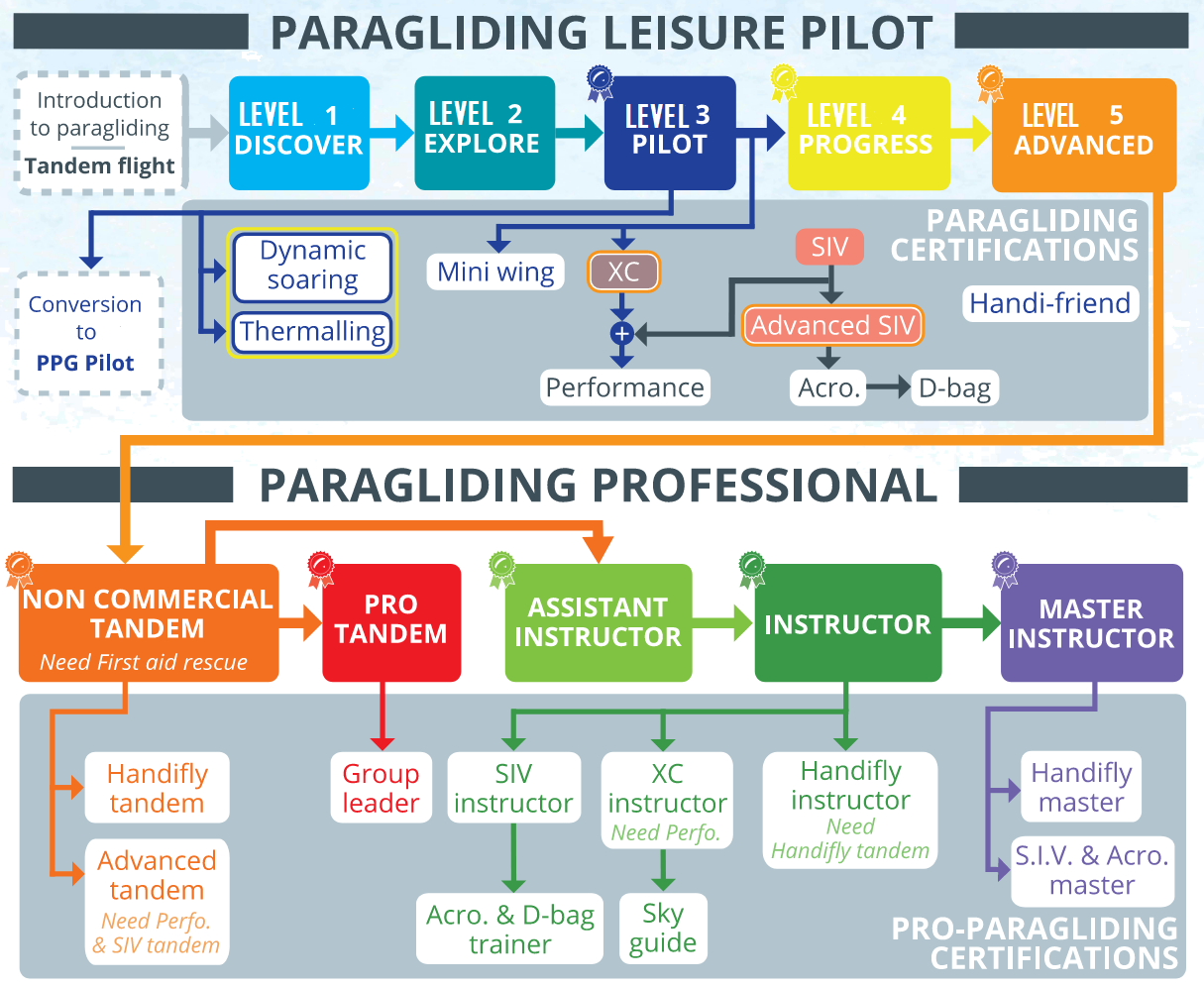
The paragliding education diagrams show a clear progression from the first discovery stage through advanced and professional levels, with safety, structure, and skill development at the center of the system.
 العربية
A complete guide to paragliding education, safety, equipment, and training in Egypt.
The paragliding education diagrams show a clear progression from the first discovery stage through advanced and professional levels, with safety, structure, and skill development at the center of the system.
The paragliding education system is a structured training path designed to give students, pilots, and instructors clear steps for gaining knowledge and practical skill while keeping safety at the center of every stage.
Training begins with discovery, where a new student learns basic ground control, assisted launch and landing, and the first principles of safety and equipment.
The student then moves through the first flight stage, independent beginner flying, and intermediate development, including turning, altitude management, weather awareness, thermal flying, and preparation for more complex conditions.
Advanced levels include SIV training, advanced thermal and cross-country flying, and managing varied weather and terrain.
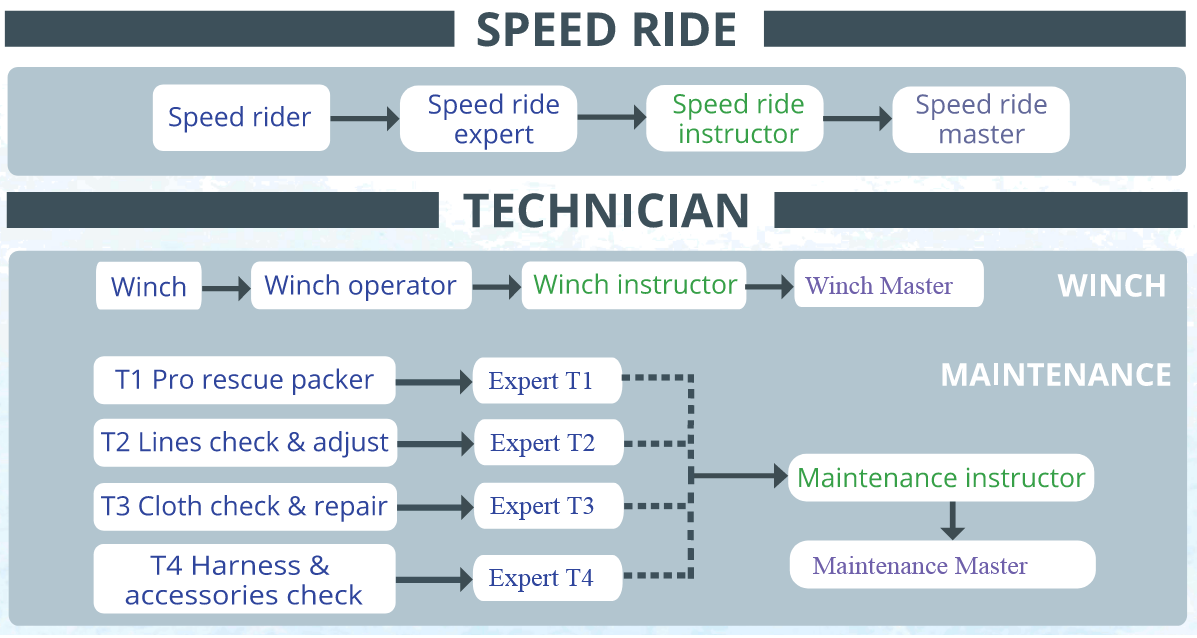
Professional levels may include assistant instructor, tandem pilot, and paragliding instructor ratings.
The system includes theory training, practical training, flight log requirements, assessments, international recognition, and a continuous focus on risk management, accident prevention, and equipment care.
Paragliding is a free-flight sport using a specially designed fabric wing. The pilot launches from a slope, hill, dune, or mountain and uses wind and rising air to stay airborne or travel longer distances.
The sport developed from traditional parachutes into modern aerodynamic wings that generate lift through airflow, using lightweight materials and an efficient airfoil shape.
Formal requirements vary by country and flying site, but proper training, ratings, and school guidance are essential for safe flying and responsible use of airspace.
A paraglider can remain airborne for hours without an engine when weather and pilot skill allow the use of rising air. Recreational flights may last from a few minutes to several hours.
Paragliding is usually less expensive than many other aviation activities because the equipment packs down and can be transported without hangar storage or aircraft rental.
Flying areas in Egypt may include Ain Sokhna and the Galala Mountains, Fayoum dunes, the North Coast and Alexandria coastal buildings, Siwa dunes, Hurghada and El Gouna, Dahab, Marsa Alam, and other sites when permissions and conditions are suitable.
Training is usually held in Ain Sokhna or Fayoum depending on the weather.
New students are welcome to visit a training session, see the equipment, attend an introduction, meet other students and pilots, watch a demonstration, and ask questions.
Training can be divided into parts to suit the student?s schedule and may include PG1, PG2, and PG3 ratings, with ongoing support for weather, airspace, site assessment, and equipment maintenance.
Paragliding education in Egypt is strongly affected by weather, so training is often completed over several long weekends with practice and study between sessions.
Indoor lessons cover ground school theory, while outdoor lessons focus on controlling the wing on the ground, bringing it overhead, running for launch, and practicing flight procedures until they become safe and consistent.

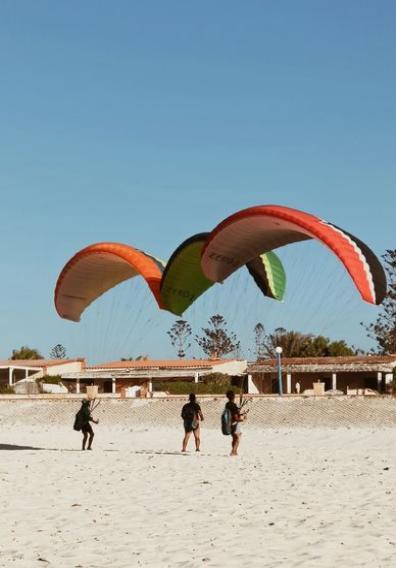
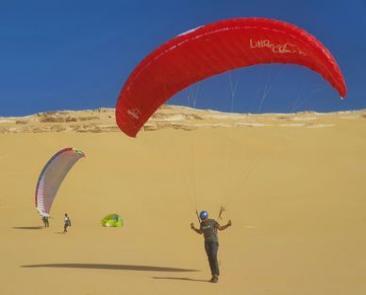
Safety comes first, and pilots must follow guidance based on the conditions of each specific day. Weather creates real limits for scheduled training.
Traditional training uses proven methods and may provide ratings recognized by the national aviation authority in Egypt.
Ground school is the first part of training. It explains how paragliding works, how flying feels, the legal environment, weather decisions, equipment operation and maintenance, and responsible flying within the air-sports community.
Theory lessons are blended into the practical course whenever weather pauses outdoor activity or when a concept needs to be explained clearly.
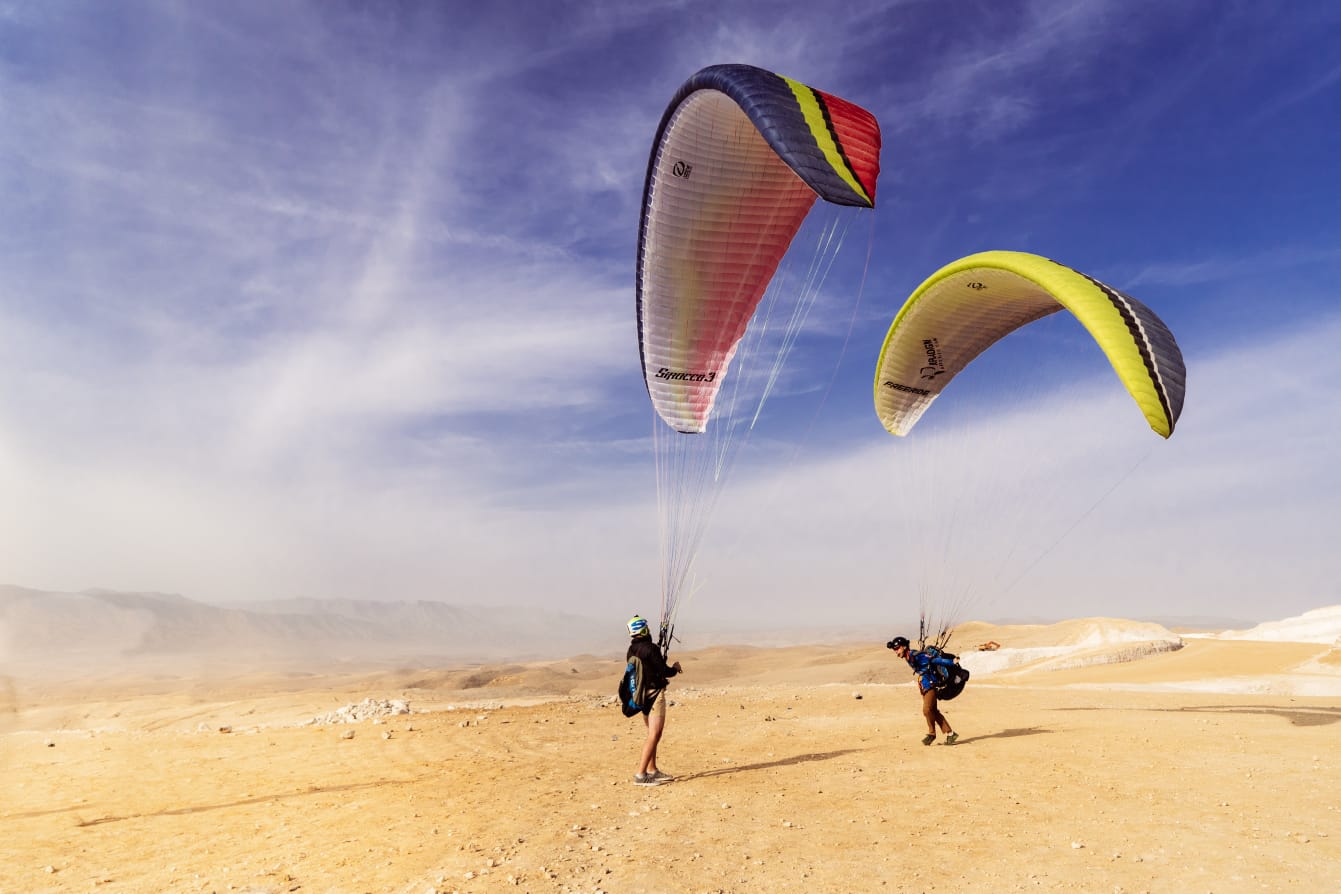
Kiting, or ground handling, is one of the longest and most important stages of training. The basics are easy to understand, but real skill takes repetition and practice.
Students learn to raise the wing overhead, control it, run with it as if preparing to launch, and understand how airflow, body movement, weight shift, and brake inputs affect the wing.
This training is done only in suitable and safe conditions. It may take a few days or several weeks depending on schedule, natural ability, and weather.
School wings can be used in the early stage, but becoming familiar with your own wing later helps build confidence and consistency.
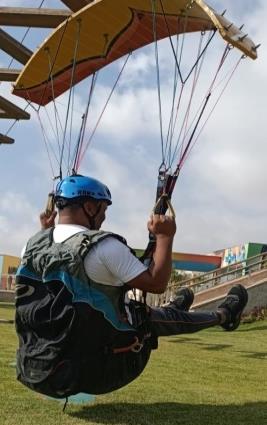
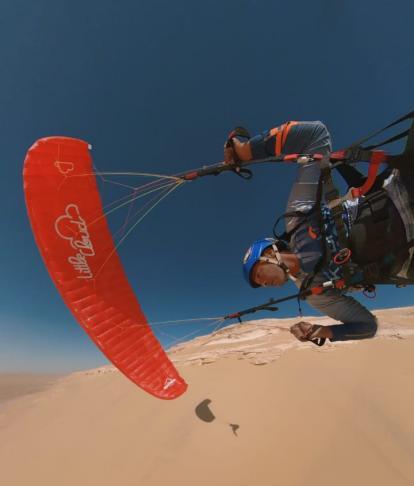
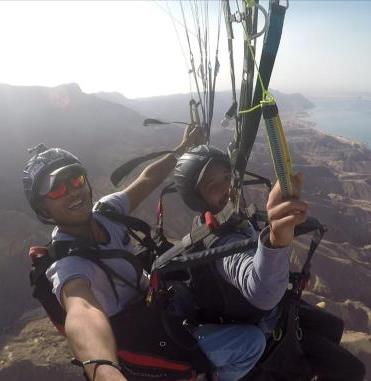
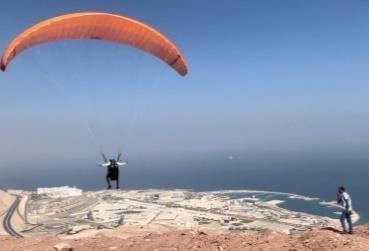
During training, students learn full harness checks, adjustment of flight settings, and simulator practice so brake movement and body position become familiar.
A structured program may include ground school, ground handling, tandem flights, beginner hills, supervised solo flights, emergency procedures, weather assessment, landing techniques, theory exams, and certification where applicable.
After the course, continuing instructor support helps new pilots evaluate launch sites, weather, equipment choices, and safe progression without rushing the important stages.
Advanced training builds on the beginner foundation and introduces more complex techniques and stronger decision-making.
Topics may include advanced maneuvers, spiral dives, wingovers, asymmetric collapses, cross-country flying, thermalling, risk management, reserve parachute deployment, airspace regulations, equipment maintenance, advanced meteorology, theory exams, and solo flying with less supervision.

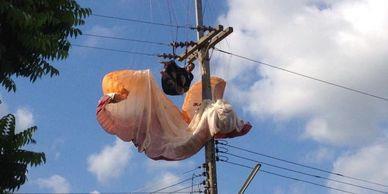
The difference between proper training and no training is very large. If you are thinking about teaching yourself to paraglide, the answer is simple: do not do it.
It is not only about you; it also affects the flying community around you and the privileges that responsible pilots have worked to protect.
Paragliding requires knowledge of equipment, meteorology, aerodynamics, safety procedures, regulations, airspace, and risk management. Training with a qualified instructor reduces accident risk and builds skills gradually and safely.
Learning correctly is an investment in your safety, your equipment, and your long-term success in the sport.
Training cannot guarantee that problems never happen, but accidents among self-taught pilots are common and can lead to serious injury and major consequences.
Without training, pilots may face poor launch technique, weak in-flight control, difficult landings, failure to read weather, poor emergency response, misjudged terrain and obstacles, legal problems, and overconfidence.
Common accident examples include launching without secure leg straps, colliding with other pilots, stalling the wing through incorrect brake input, disorientation during spiral maneuvers, unexpected reserve deployment, being pushed backward by wind, cloud suck, power-line strikes, and hard landings.
Aviation does not always give a second chance, so qualified instruction is not optional.

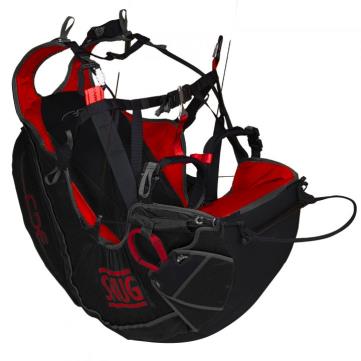
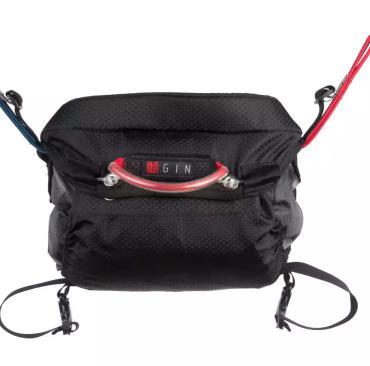
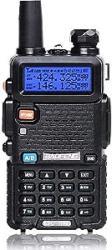


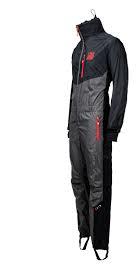

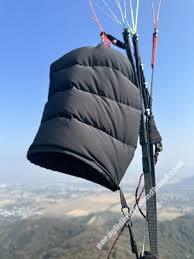
Basic paragliding equipment includes the wing, harness, reserve parachute, radio, variometer, helmet, flying gloves, and flying suit.
Choosing suitable equipment and maintaining it correctly is an essential part of safety and should be done with guidance from an instructor or qualified specialist, especially during the early stages of learning.